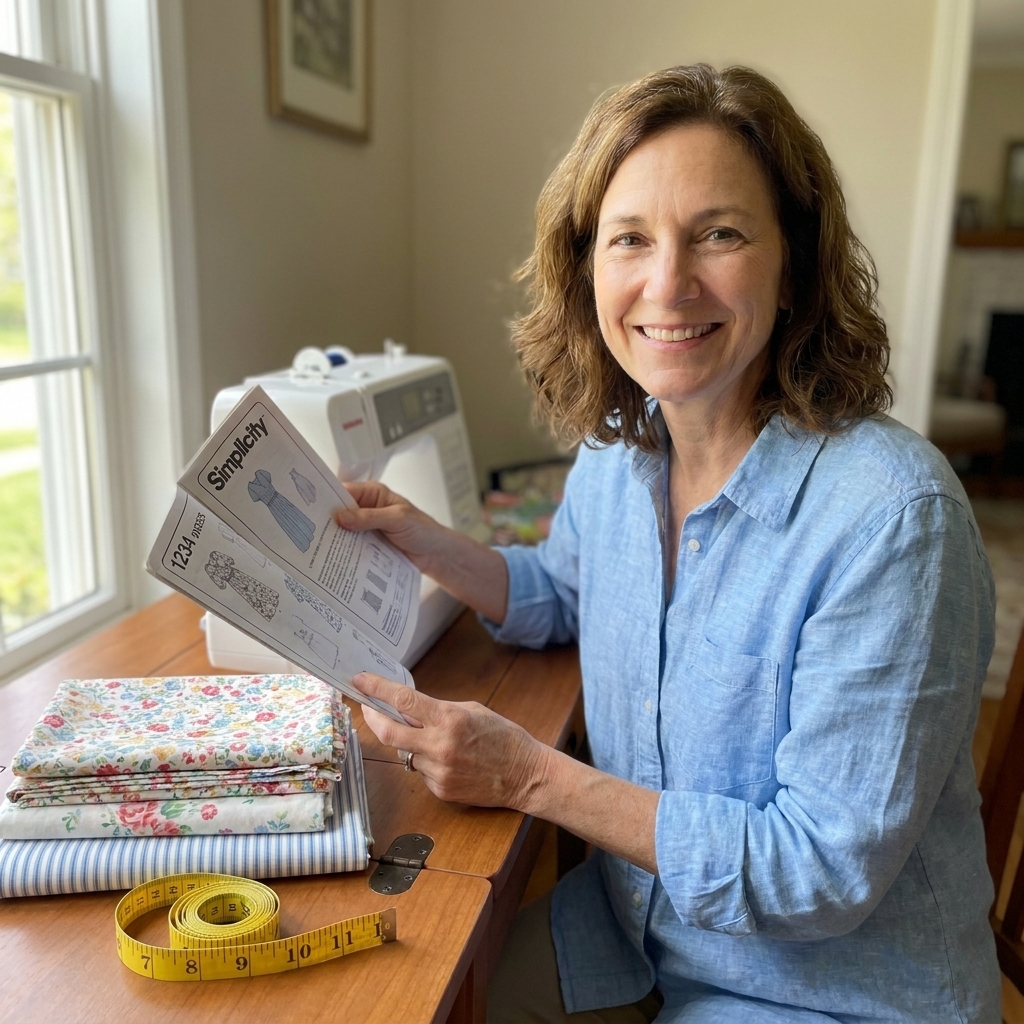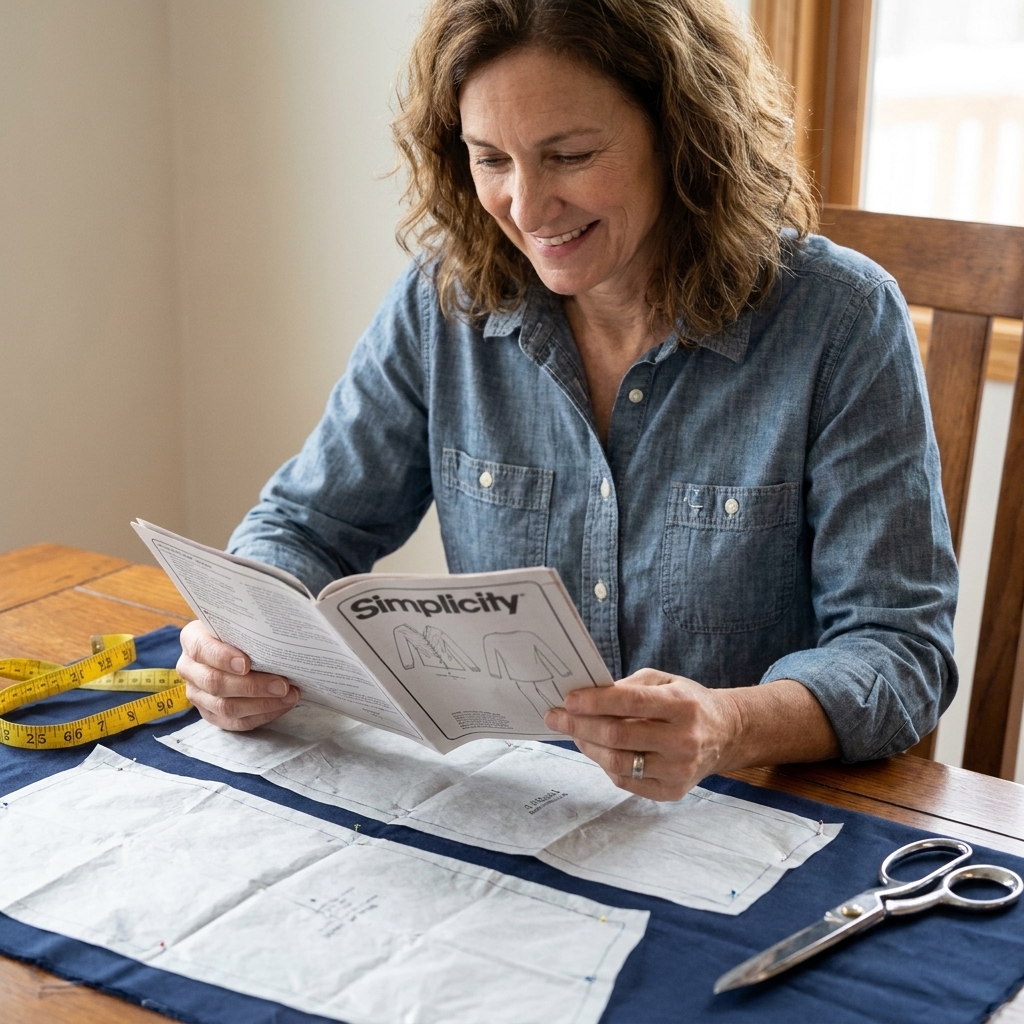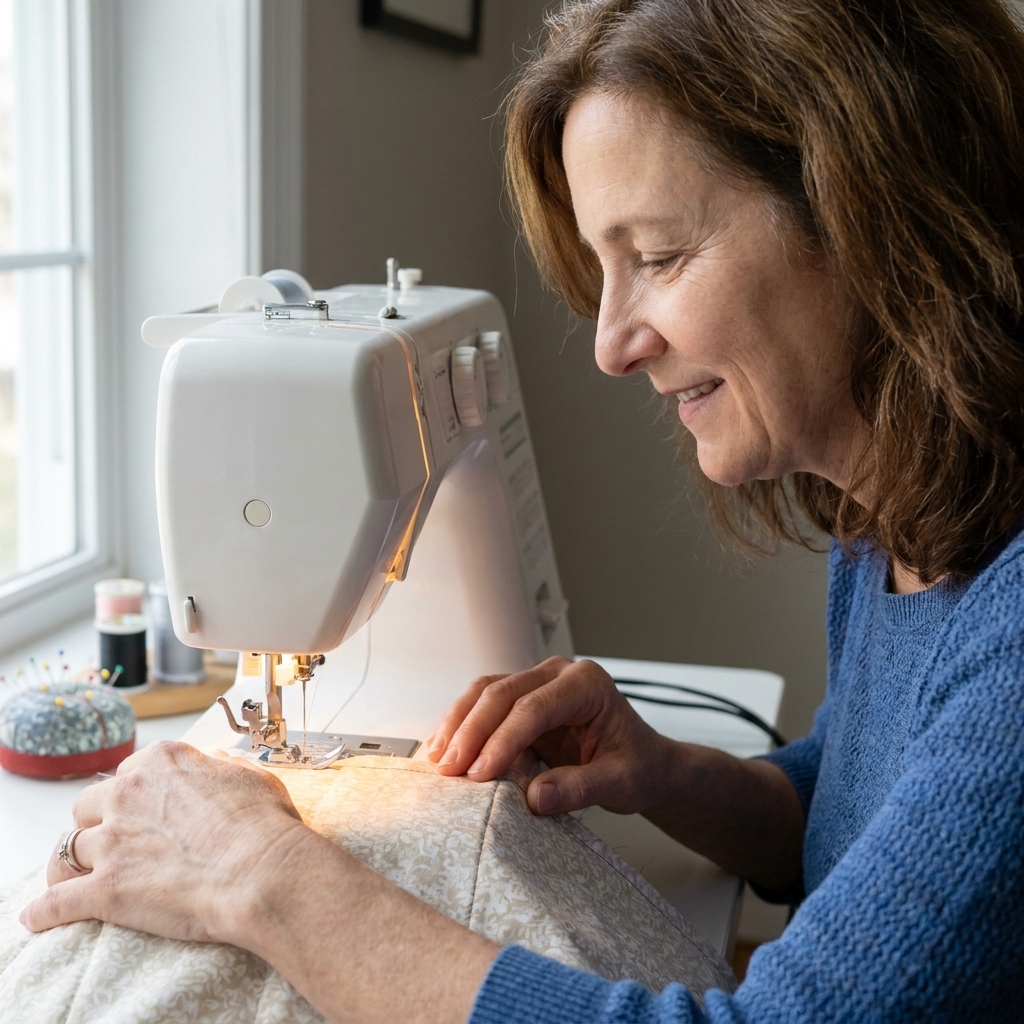

If you're brand-new to garment sewing, the internet can feel like a maze of “easy” patterns that quietly assume you already know how to do darts, set sleeves, and decipher a glossary the size of a pillowcase.
So I pulled together a list of actually beginner-friendly clothing patterns you can download today. These are the kinds of projects that forgive wobbly seams, welcome thrifted fabric, and still look cute when you're done. If you can sew a straight-ish line and you're on friendly terms with your seam ripper, you're ready.
A quick heads-up on sizing: This list is mostly adult patterns, with one kids option included because it's a great low-fabric, quick-confidence project.
Important note on “free”: online pattern access changes. Every pick below is offered as free or pay-what-you-want at the time of writing, but always double-check the price and download steps on the checkout page before you commit your printer ink.
One more tiny thing: Many free downloads are for personal use only, and some require an email signup or an account. It’s normal, just read the fine print so you know what you’re getting.
How I chose these patterns
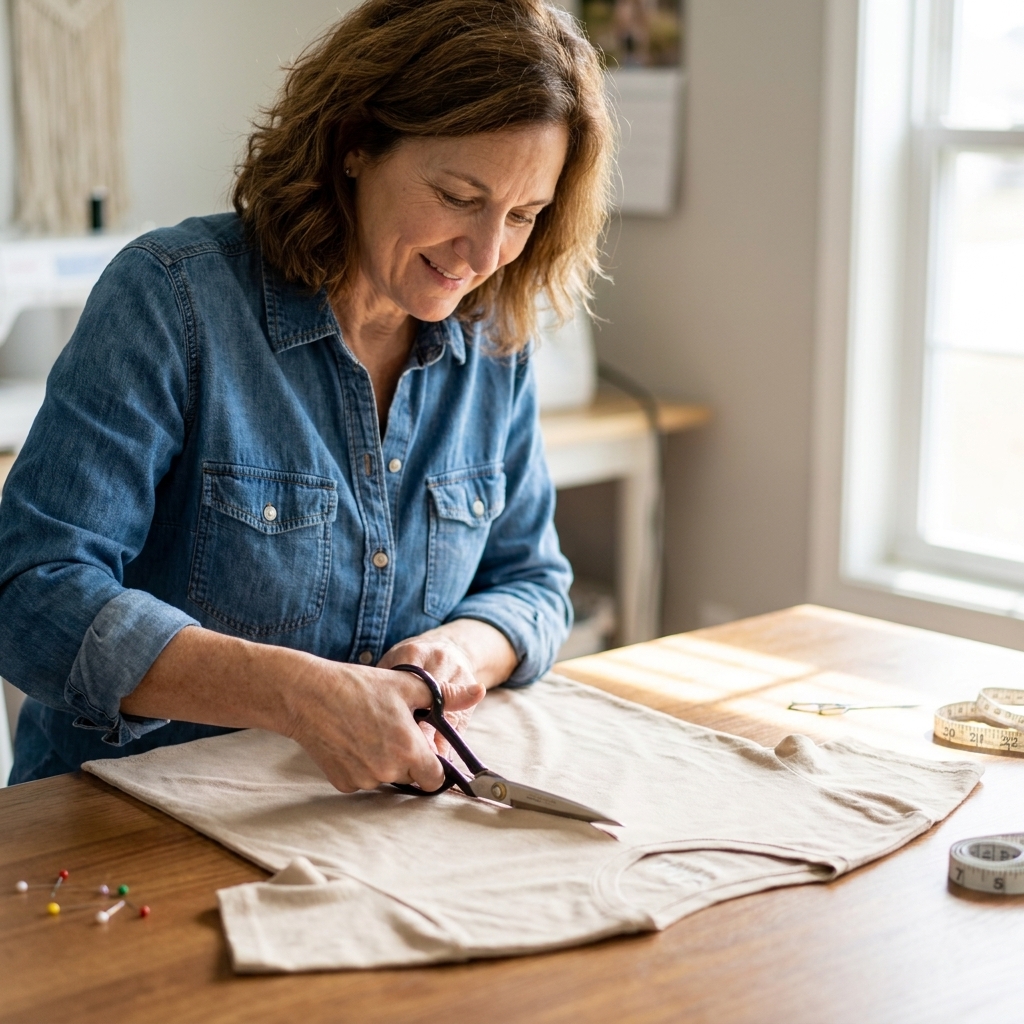
Each pattern on this list is beginner-friendly in the real world, not just in marketing copy. I prioritized patterns with:
- Simple shapes like tees, tanks, elastic-waist bottoms, and loose layers
- Minimal fitting or easy-to-adjust fit
- Clear instructions or a sew-along you can follow
- Low-risk fabrics like stable knits, cotton, linen blends, and chambray
Quick note: “free” can mean you add the pattern to a cart for $0, enter an email, create an account, or grab a pay-what-you-want download where $0 is an option. I label the access type so you won't get surprised.
Also, size ranges vary a lot by company. Before you cut, check the body measurement chart and, if it's provided, the finished garment measurements so you know how much ease you're getting. (Ease is the extra room built into a garment beyond your body measurements. More ease usually means a looser, more forgiving fit.)
Before you download
1) Measure your body, not your store size
Grab a tape measure and write down your high bust (optional), full bust, waist, and full hip. Patterns live and die by measurements, not the number on your jeans tag.
2) Use the suggested fabric (at least once)
If the pattern says “stable knit,” choose a cotton jersey or interlock with good recovery. If the pattern specifically allows it, a light French terry can work too. Skip the slinky rayon jersey for your first round, it has a talent for sliding off the table and testing your patience.
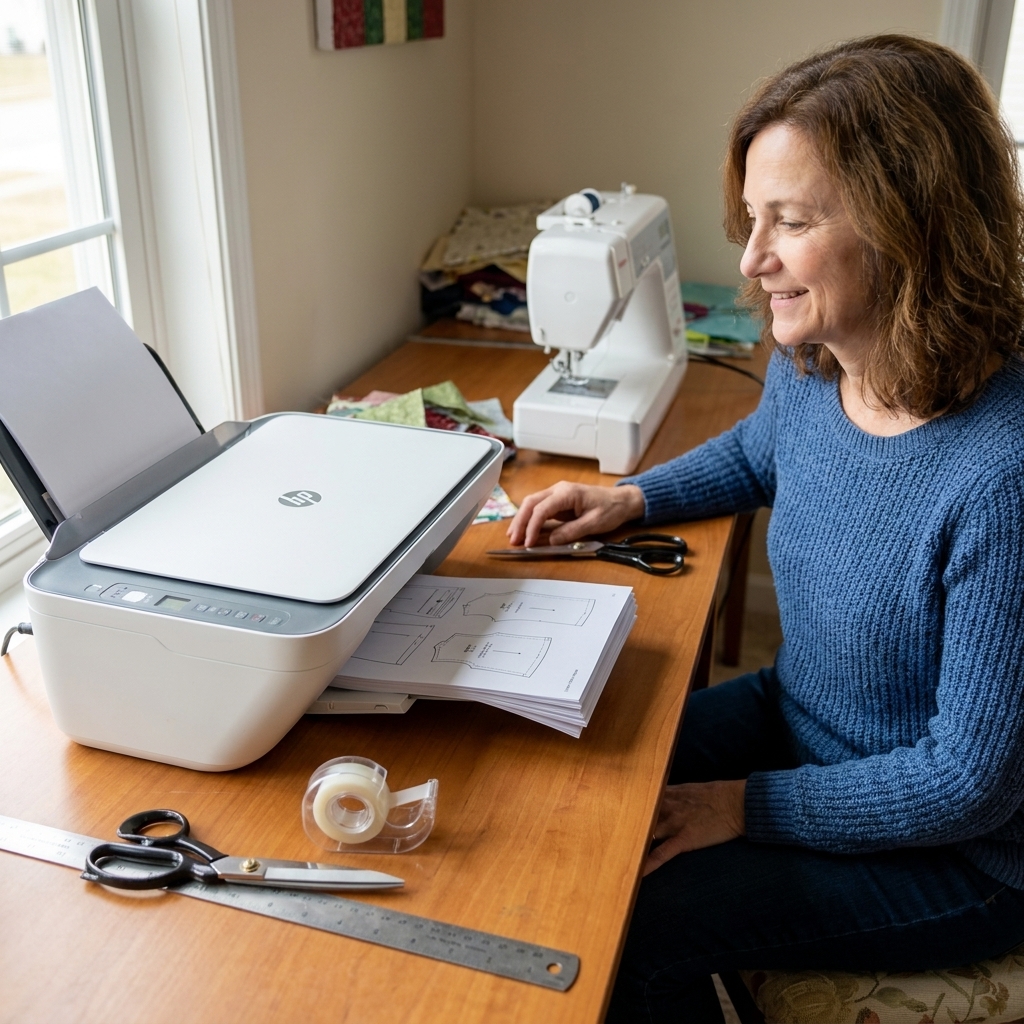
3) Print carefully
Always print the first page and check the test square. If the square is off, your whole pattern is off, and we're not doing that today.
If the pattern offers multiple file formats, pick the one that matches your setup:
- US Letter or A4 for home printing
- A0 (metric) or 36 x 48 in. (US copy shop A0) for copy shop printing (less taping, more living)
- Projector if you sew that way (projecting the pattern onto fabric instead of printing)
4) Start with a wearable muslin
Use a thrifted sheet, inexpensive cotton, or bargain knit. The goal is to learn, and you can absolutely still end up with something you wear.
5) Choose the easiest view
If the pattern includes options, pick the version with fewer steps: no pockets, no hood, no button placket. You can level up later.
6) Check formats and license
Before you download, confirm which formats are included (Letter, A4, A0, projector) and skim the usage terms. Some files are personal-use only and many brands ask you not to redistribute the PDF.
Tools that make this easier
- Fresh needles: universal 80/12 for many wovens; stretch or ballpoint for knits
- Good thread: all-purpose polyester is a reliable default
- An iron and a way to press: pressing is not optional if you want it to look crisp
- Seam finishing backup for wovens: zigzag or overcast stitch is fine, and French seams are a great beginner-friendly “fancy” finish on light fabrics
12 free beginner-friendly patterns
1) Peppermint Magazine: Pocket Skirt (pay-what-you-want)
What you'll make: A woven skirt with a comfortable waist and statement pockets.
Why it's beginner-friendly: Skirts teach foundational skills like seams, hems, and waist finishes without the fitting complexity of pants.
Fabric that behaves: Linen, cotton twill, chambray, midweight cotton. Aim for a medium weight that presses crisply.
Skills you'll practice: Gathering or pleats (depending on version), pockets, waistband or elastic finish, hemming.
Beginner tip: Sew the pockets slowly. Pockets are just little bags with confidence issues.
Get it: Peppermint Magazine Sewing School patterns (look for “Pocket Skirt”).
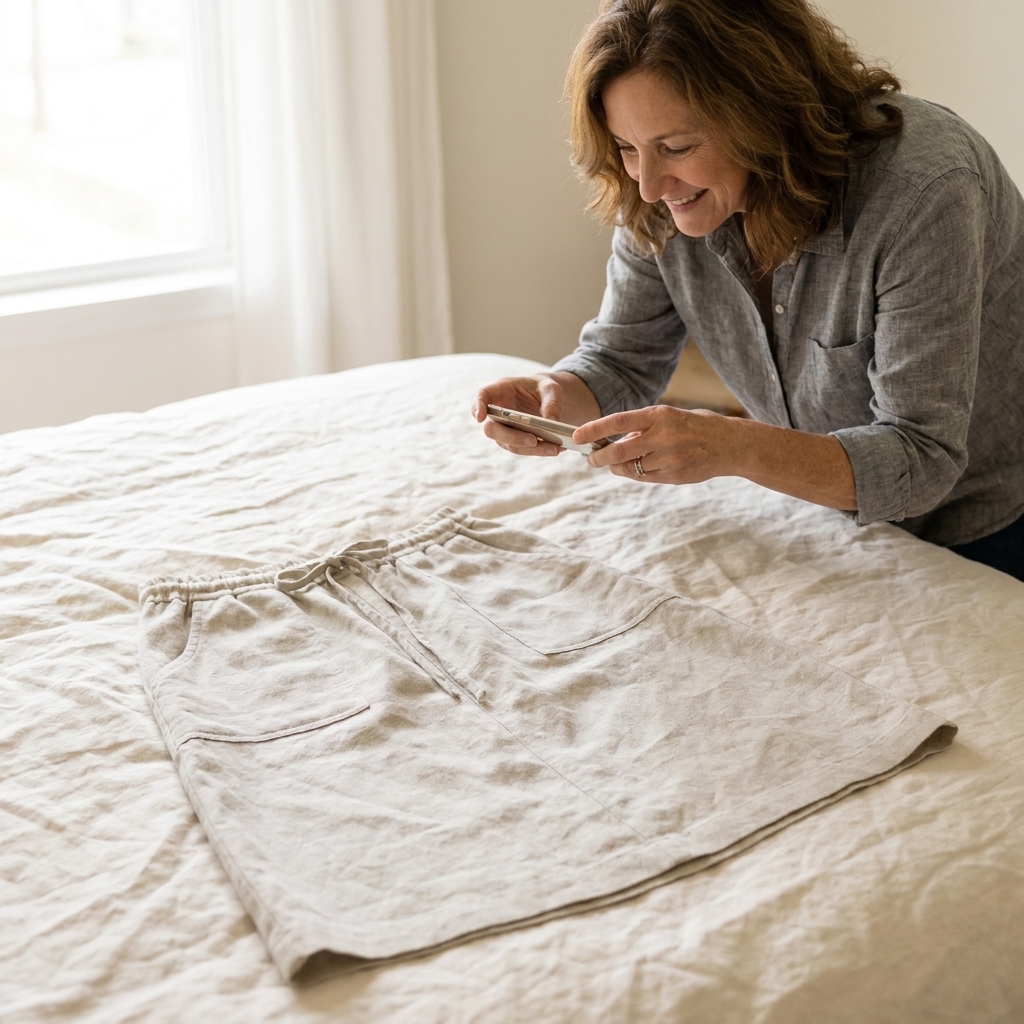
2) Love Notions: Laundry Day Tee (free or $0 option)
What you'll make: A knit T-shirt with a great everyday fit.
Why it's beginner-friendly: A tee is a perfect knit starter. It’s mostly straight seams with a few gentle curves, and you can practice neckbands without committing to anything fancy.
Fabric that behaves: Cotton jersey with good recovery, interlock knit. Choose something that is not super drapey for your first go.
Skills you'll practice: Sewing knits, neckband, hemming.
Beginner tip: Use a stretch needle and test your stitches on scraps first. Your machine will tell you what it likes.
Get it: Love Notions Laundry Day Tee (check the checkout steps, since access sometimes shifts between email signup and account login).
3) Patterns for Pirates: Favorite Tee (free)
What you'll make: A knit T-shirt with multiple sleeve and neckline options.
Why it's beginner-friendly: The core construction is simple, and the pattern is well-loved. If you get stuck, there’s a lot of community help out there.
Fabric that behaves: Cotton jersey or cotton modal with good recovery. Avoid very slinky jerseys at first.
Skills you'll practice: Neckband, sleeves, hemming knits.
Beginner tip: Sew the basic version first, then revisit for the fun options. One win at a time.
Get it: Patterns for Pirates Favorite Tee.
4) Made for Mermaids: Cora Leggings (free)
What you'll make: Basic knit leggings.
Why it's beginner-friendly: Leggings teach you about stretch, seam alignment, and waist finishes without complicated closures like zippers.
Fabric that behaves: Cotton spandex jersey, athletic knit with good recovery. Look for a knit that snaps back when you stretch it.
Skills you'll practice: Sewing knits, matching inseams, elastic waistband.
Beginner tip: Mark your notches. On knits, it's easy to rotate pieces and wonder why your seams don't match.
Get it: Made for Mermaids Cora.
5) Brindle and Twig: Kids Leggings (free)
What you'll make: Kids leggings.
Why it's beginner-friendly: Smaller garments sew up quickly, and you can practice knit seams and waistbands without using a ton of fabric.
Fabric that behaves: Cotton spandex jersey, rib knit with good recovery.
Skills you'll practice: Sewing knits, quick assembly, elastic waistband.
Beginner tip: If you're learning, quick projects build momentum. Momentum builds confidence.
Get it: Brindle and Twig free patterns (look for the kids leggings pattern).
6) Fabrics-Store: Free linen patterns (free)
What you'll make: Simple woven garments, often boxy and breathable.
Why it's beginner-friendly: Many of these patterns use geometric pieces and easy shaping, which is perfect for learning garment assembly without intense fitting.
Fabric that behaves: Linen and linen blends, cotton-linen. Medium-weight linen is forgiving and presses like a dream.
Skills you'll practice: Basic garment assembly, facings or simple finishes (varies by pattern), hemming.
Beginner tip: Press as you sew. Linen practically rewards you for it.
Get it: Fabrics-Store free sewing patterns (some downloads may ask you to create an account, so check the page notes).
7) Mood Fabrics: Rosalie Shirt (free)
What you'll make: A relaxed button-up style shirt.
Why it's beginner-friendly: It's an entry into shirt land without requiring a tailored, crisp fit. You can also treat it like a light layer.
Fabric that behaves: Cotton poplin, chambray, lightweight denim. Choose something that is not slippery and that presses well.
Skills you'll practice: Button placket, buttonholes, and shirt-style finishing.
Beginner tip: Buttonholes can be intimidating. Practice on scraps and don't judge yourself if you seam rip one. That's literally why seam rippers exist.
Get it: Mood Sewciety Rosalie Shirt (Mood’s free patterns are usually straightforward, but it’s still worth confirming the download link is live).
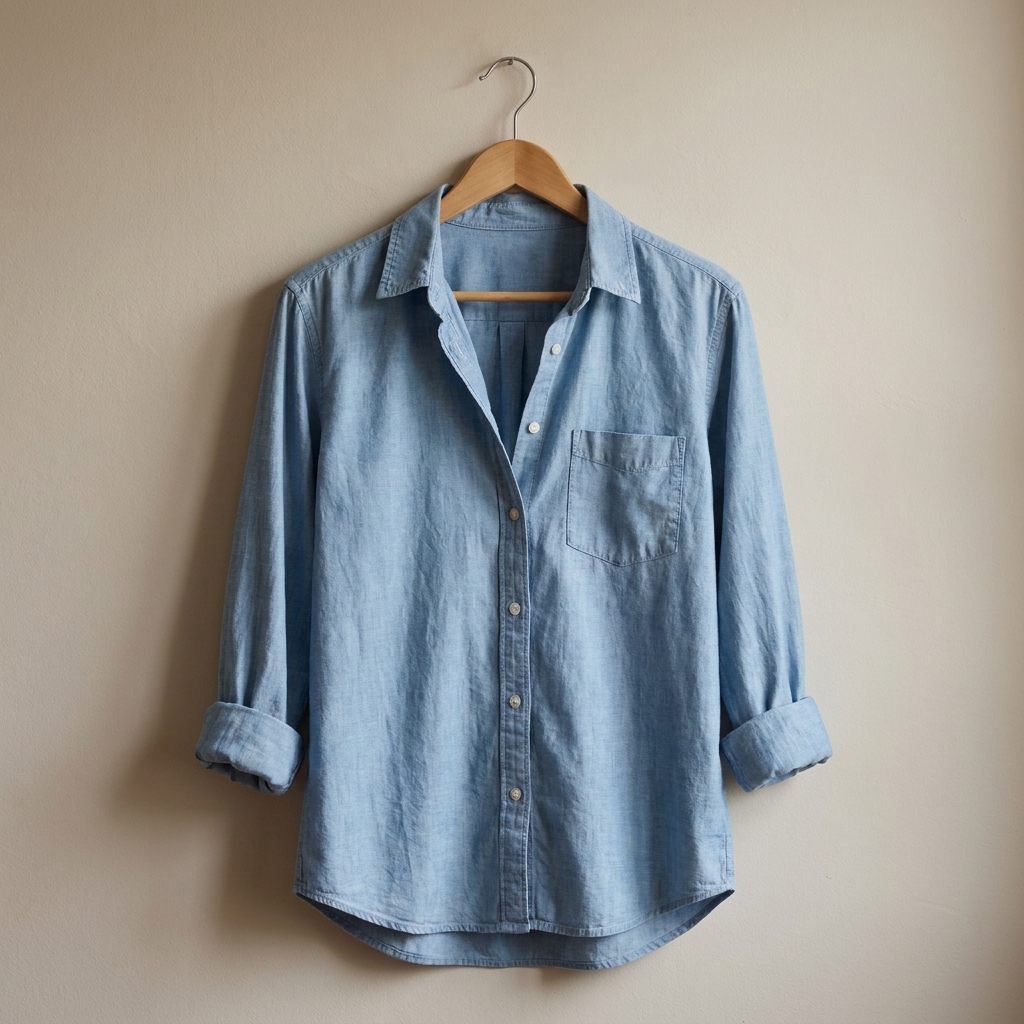
8) Peppermint Magazine: Peplum Top (pay-what-you-want)
What you'll make: A relaxed woven peplum top.
Why it's beginner-friendly: Woven tops like this are a great bridge between “I can sew a skirt” and “I can sew a whole outfit.” The shaping is approachable, and the silhouette is forgiving.
Fabric that behaves: Linen, cotton lawn, chambray, poplin. Start with something that presses well and is not slippery.
Skills you'll practice: Gentle shaping (pattern-dependent), attaching a peplum, hemming, clean finishing.
Beginner tip: Transfer your markings carefully. Notches feel fussy, but they keep your seams from getting weird.
Get it: Peppermint Magazine Sewing School patterns (look for “Peplum Top”).
9) Peppermint Magazine: Loungewear set (pay-what-you-want)
What you'll make: Comfortable, relaxed loungewear pieces.
Why it's beginner-friendly: Loungewear is friendly garment sewing. Fit is flexible, comfort is the goal, and construction is usually straightforward.
Fabric that behaves: French terry, stable jersey, cotton interlock. Pick a knit with enough body that it's less likely to curl while you cut and sew.
Skills you'll practice: Waistbands (elastic or knit bands), knit hems, relaxed fit adjustments.
Beginner tip: If your first set looks a little homemade, congratulations. That's the point, and it gets better fast.
Get it: Peppermint Magazine Sewing School patterns (look for the loungewear set).
10) Itch to Stitch: Marbella Dress (free)
What you'll make: A relaxed knit dress.
Why it's beginner-friendly: A knit dress is basically a longer tee with extra payoff. The fit is forgiving, and you get a very wearable result without zippers or tricky closures.
Fabric that behaves: Stable jersey or interlock. If you want a cozier version, use a knit the pattern recommends, not a mystery stretch from the bottom of your stash.
Skills you'll practice: Knit construction, neckline finish, hemming.
Beginner tip: Baste the hem first and try it on before you commit. Dress length feels different once it's actually on your body.
Get it: Itch to Stitch Marbella Dress.
11) Grainline Studio: Hemlock Tee (free or $0 option)
What you'll make: A boxy knit tee with a relaxed, modern shape.
Why it's beginner-friendly: This one is a classic first knit garment for a reason. The silhouette is forgiving, the pieces are simple, and you get a high-wear staple without advanced fitting.
Fabric that behaves: Stable jersey, interlock, or a not-too-slippery cotton knit. Save the ultra-drapey stuff for later once you know how your machine behaves.
Skills you'll practice: Sewing knits, neckline finish (pattern-dependent by view), hemming.
Beginner tip: If you're between sizes, choose based on the finished garment measurements if they’re provided. A relaxed tee is supposed to breathe.
Get it: Grainline Studio Hemlock Tee (double-check that the download is currently offered free, since pricing models can change).
12) Maria Denmark: Kimono Tee (free)
What you'll make: A loose, kimono-sleeve knit top with a relaxed fit.
Why it's beginner-friendly: The shape is simple and forgiving, and the sleeves are built in. You skip set-in sleeve drama while still ending up with a real shirt you can wear.
Fabric that behaves: Cotton jersey or interlock with good recovery. Avoid super slinky knits until you're comfortable handling stretch.
Skills you'll practice: Knit seams, neckline finish (varies by view), hemming.
Beginner tip: Stabilize your shoulder seams with a strip of clear elastic or knit stay tape if the pattern suggests it. It helps prevent a “why is this neckline growing” situation.
Get it: Maria Denmark free sewing patterns (look for “Kimono Tee,” and note whether an email signup or account is required before download).
What to sew first
If you want my honest confidence ladder, here it is:
- Elastic-waist skirt (quick win, beginner seams and hems)
- Basic knit tee (learn knits without fear)
- Leggings (more knit practice, still forgiving)
- Boxy woven top (your first woven top win)
- Relaxed dress (same skills, just longer)
- Button-up style shirt (when you're ready for buttonholes)
Beginner FAQ
Do I need a serger to sew clothes?
Nope. A regular sewing machine is plenty. Use a zigzag stitch or a stretch stitch for knits, and finish woven seams with something simple like zigzagged edges, an overcast stitch, or French seams for lighter fabrics. You can do fancier finishes later.
Knits scare me. What helps?
Start with a stable cotton jersey, use a stretch needle, and test on scraps. If you have one, a walking foot can help feed layers evenly, especially on hems and neckbands. For hemming, a twin needle is nice, but a narrow zigzag also works and is very beginner-proof.
What if my measurements fall across multiple sizes?
Totally normal. Choose your size by the pattern's recommendation (often bust for tops, hip for bottoms), then blend sizes between lines if needed. Loose styles on this list make that extra forgiving.
How do I avoid a fit disaster?
Pick patterns with ease (a looser fit with a little extra room), sew a wearable muslin, and do a quick try-on before you hem. Small adjustments are easier when the garment is still in progress.
What is the most common beginner mistake?
Rushing and skipping pressing. Pressing is not fussy. It's the difference between “I made this!” and “Wait, I made this.”
Your next stitch
Choose one pattern from the list, download it, and do a tiny prep session: print, tape, cut. Even that step counts as sewing progress.
And if you sew something wrong on the first try, welcome to the club. I've been sewing for over a decade and I still unpick seams while my tea goes cold. That's not failure. That's just sewing.